
10 Signs Your Company Needs Leadership Training for Managers and Executives
Great teams do not happen by chance. They grow when leaders know how to guide, listen and decide well. If your business feels stuck, the problem may not be your people. It may be how they are being led. Here are the signs to look for.
Why Leadership Skills Training Matters
Leadership skills training helps managers and executives communicate clearly, solve problems and build trust. It also supports your long-term leadership development plans.
“Did you know? Gallup research found that managers account for at least 70% of the difference in team engagement scores.”
When managers are strong, teams are more engaged and more productive.
10 Signs Your Team Needs Leadership Development
- High employee turnover. People often leave managers, not companies. If exits keep rising, look at leadership first.
- Low team morale. Quiet meetings, missed deadlines and little energy often point to weak guidance.
- Poor communication. Mixed messages and unclear goals waste time and cause stress.
- Missed targets. If goals slip again and again, managers may need better planning and delegation skills.
- Constant conflict. Good leaders handle disagreements early. Without this skill, small issues grow fast.
- Promotions without preparation. A great performer is not always a great manager. Manager training helps new leaders succeed.
- Slow decisions. If everything waits for approval, your leaders may lack confidence or clarity.
- Resistance to change. Teams follow their leaders. If managers fear change, the whole company slows down.
- No future leaders. If you cannot name who will lead next, you need leadership development programs now.
- Executives are too busy firefighting. Senior leaders should focus on strategy. Executive leadership training helps them delegate and think long term.
Real Event Snapshot
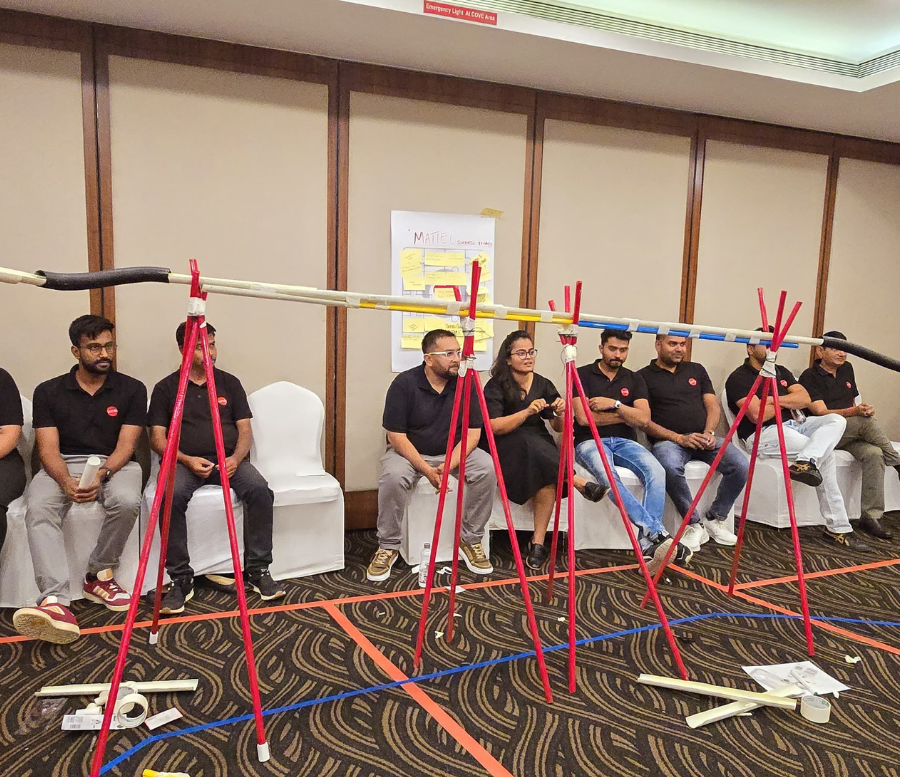
Amherst | Young Leaders Development
Atlas designed and facilitated a development experience for emerging leaders at Amherst, covering practical leadership capabilities such as building trust, coaching others, managing conflict, giving feedback and adapting leadership behaviour to different situations. The experience combined leadership concepts with reflection, discussion and application.
What Good Leadership and Management Training Programs Include
Strong leadership and management training programs are practical. Look for:
- Communication and feedback skills
- Team building and conflict handling
- Decision-making and time management
- Coaching and delegation
Clear leadership skills training objectives also matter. Each session should have a goal you can measure, such as better team scores or faster decisions.
Choosing the Right Partner
There are many leadership training companies in India, so choose with care. Look for real business examples, flexible formats and follow-up support. At Atlas Learning, we design leadership training around your goals, not a one-size-fits-all plan. See how our sessions look in our event gallery.
Get in Touch
Do three or more of these signs sound familiar? Then it is time to act. The earlier you invest in management training, the sooner you will see results in culture, performance and retention.
Not sure which format is right for your team? Reach out to the Atlas Learning team or browse our media gallery to see our programs in action.
📞 +91 9820 160 888 | ✉️ info@atlaslearning.in
+91 98201 60888
Our Email
Kenneth@atlaslearning.in
Our Location
611, Fortune Emporio, Opposite Thakur Mall, Western Express Hwy, Mira Road East, Mira Bhayandar, Maharashtra 401107
Frequently Asked Questions
any question ? we got you
1. Who should attend leadership training?
New managers, team leads, senior managers and executives can all benefit. Leadership training for managers focuses on daily team skills, while executive programs focus on strategy and vision.
2. How long does a leadership training program take?
It depends on your goals. Programs can range from a one-day workshop to several months of sessions with follow-ups.
3. How do we know the training worked?
Track changes in team engagement, turnover, project delivery and manager feedback before and after the program.